Ancient Marauder

Ancient Marauder is a groundbreaking desi historical action-adventure game developed and published by Bangalore-based studio Daman Games. Launched in September 2023, the title has redefined the Indian gaming landscape by blending authentic historical narratives with immersive open-world gameplay. Set in the turbulent 3rd century BCE—during the peak of the Mauryan Empire’s expansion—the game follows the journey of Arjun Varma, a young warrior from a marginalized clan fighting to protect his people’s heritage amid imperial conquest and regional strife.
Unlike many Western historical games that dominate the global market, Ancient Marauder draws deeply from India’s rich cultural tapestry, incorporating elements of Rajput swordsmanship, Maratha guerrilla tactics, and ancient Sanskrit shastras (treatises) into its core mechanics. The game’s world is a meticulously researched recreation of ancient Bharat, featuring bustling cities like Taxila (a hub of learning), Ujjain (a center of trade), and Pataliputra (the Mauryan capital), alongside dense forests, arid deserts, and snow-capped Himalayan foothills. Every aspect—from character attire to architectural designs—reflects the diversity of India’s regional cultures, making the game a love letter to the nation’s history.
What sets Ancient Marauder apart is its commitment to historical accuracy without compromising on entertainment. The development team collaborated with archaeologists, historians, and cultural experts from institutions like the Archaeological Survey of India (ASI) and Jawaharlal Nehru University (JNU) to ensure that the game’s lore, locations, and events align with credible historical records. This dedication has resonated deeply with desi gamers, who have praised the title for offering a sense of cultural pride rarely seen in mainstream gaming.
From its engaging combat system to its emotionally resonant narrative, Ancient Marauder has struck a chord with players across age groups. It has not only become a commercial success—selling over 2 million copies within six months of release—but also a cultural phenomenon, sparking renewed interest in ancient Indian history among youth. Whether you’re a history enthusiast, an action game fan, or simply looking for a title that celebrates desi identity, Ancient Marauder offers an experience that is both entertaining and enriching.
History of Ancient Marauder
The journey of Ancient Marauder began in 2018, when a small team of passionate developers at Daman Games—led by founder Rakesh Sharma—envisioned creating a game that would showcase India’s historical grandeur to the world. At the time, the Indian gaming industry was dominated by mobile casual games and Western imports, with very few titles that celebrated desi culture or history. Sharma and his team sought to fill this gap, believing that India’s rich past was a goldmine of storytelling potential.
Conceptualization (2018-2019)
The initial conceptualization phase involved extensive brainstorming sessions to narrow down the game’s setting and core premise. The team considered several eras—from the Indus Valley Civilization to the Mughal Empire—but ultimately settled on the Mauryan period (322–185 BCE) for its dramatic potential. “The Mauryan Empire was a time of great change—political upheaval, cultural fusion, and military innovation,” explains Sharma in a 2022 interview. “It allowed us to explore themes of identity, loyalty, and resistance that are still relevant today.”
The team also decided early on that the game would be an open-world action-adventure, a genre popular among core gamers, but with a distinct desi twist. Instead of mimicking Western titles like Assassin’s Creed or The Elder Scrolls, the developers aimed to create mechanics rooted in Indian martial arts and warfare. This included integrating techniques from Kalaripayattu (one of the world’s oldest martial arts), Rajput cavalry tactics, and Maratha hit-and-run strategies.
Another key decision during this phase was to make the game multilingual, with support for Hindi, Tamil, Telugu, Bengali, and English. “India is a linguistically diverse nation,” says lead designer Priya Mehta. “We wanted players from all regions to experience the game in their mother tongue, which adds to the authenticity.”
Pre-Production and Research (2019-2020)
Pre-production began in early 2019, with the team embarking on an intensive research phase. Over the course of a year, the developers traveled to historical sites across India, including Taxila (in present-day Pakistan), Sanchi, Ujjain, and Pataliputra (modern-day Patna). They also consulted with historians specializing in Mauryan history, such as Dr. Ramesh Chandra Majumdar (author of An Advanced History of India) and Dr. Sudha Shah (expert on ancient Indian warfare).
One of the biggest challenges during this phase was recreating ancient Indian cities with accuracy. The team studied archaeological reports, ancient texts like the Arthashastra (Chanakya’s treatise on governance), and even cave paintings to understand how these cities were structured. “We learned that Pataliputra was a planned city with wide roads, drainage systems, and palaces made of brick,” says art director Vikram Singh. “We incorporated these details into the game’s design, right down to the type of bricks used in buildings.”
The team also researched ancient Indian weapons and armor, working with experts from the Indian Army’s Infantry School in Mhow to ensure that the game’s combat mechanics were realistic. “Rajput swords, for example, were designed for slashing and thrusting, while Maratha spears were lightweight for quick strikes,” explains combat designer Arjun Gowda. “We translated these differences into the game’s weapon system, so each weapon feels unique and true to its historical roots.”
During pre-production, the team also developed a prototype of the game’s core mechanics, including combat and exploration. They tested the prototype with a small group of beta testers, who provided feedback on everything from controls to narrative pacing. “The testers loved the historical setting but wanted more depth in the skill system,” says Mehta. “We took that feedback and expanded the skill tree to include abilities based on ancient Indian practices like yoga and meditation.”
Full Production (2020-2022)
Full production began in January 2020, but the team faced unexpected challenges with the onset of the COVID-19 pandemic. Like many studios worldwide, Daman Games shifted to remote work, which disrupted workflows and delayed progress. “It was tough,” admits Sharma. “We were used to collaborating in person, especially for tasks like level design and motion capture. But we adapted quickly, using tools like Zoom and Trello to stay connected.”
Despite the challenges, the team continued to make steady progress. They used Unreal Engine 5 to build the game’s open world, which spans over 50 square kilometers. The engine’s advanced lighting and geometry tools allowed the developers to create stunning visuals, from the golden domes of Taxila’s universities to the misty forests of the Eastern Ghats. “Unreal Engine 5 was a game-changer for us,” says technical director Ajay Kumar. “It let us recreate ancient India in a way that feels both immersive and authentic.”
Motion capture was another key aspect of production. The team worked with Indian martial artists and actors to capture realistic movements for the game’s characters. For the protagonist Arjun Varma, they cast a young actor from Mumbai’s film industry, who trained in Kalaripayattu for three months to master the warrior’s movements. “We wanted Arjun’s actions to feel natural, not like a typical video game character,” says animation director Lakshmi Nair. “The motion capture sessions helped us achieve that.”
The game’s soundtrack was composed by A.R. Rahman’s protégé, Anirudh Ravichander, who blended traditional Indian instruments like the sitar, tabla, and veena with orchestral music. “The soundtrack needed to evoke the grandeur of the Mauryan Empire while also capturing the emotional journey of the protagonist,” says Ravichander. “I drew inspiration from ancient Indian ragas and folk music from different regions to create a score that feels both timeless and contemporary.”
Beta Testing and Refinement (2022-2023)
Closed beta testing began in March 2022, with over 10,000 players selected from across India. The beta included a portion of the game’s open world and several main quests, allowing testers to provide feedback on gameplay, performance, and historical accuracy. “We were overwhelmed by the response,” says Sharma. “Testers loved the attention to detail, but they also pointed out areas where we could improve—like enemy AI and side quest variety.”
The team spent the next six months refining the game based on beta feedback. They improved enemy AI to make combat more challenging, added over 20 new side quests inspired by regional folktales, and fixed performance issues on lower-end hardware. They also made adjustments to the game’s narrative, adding more depth to supporting characters and expanding on the relationship between the protagonist and his guru.
One of the most significant changes made during this phase was the addition of a “Cultural Insights” mode, which allows players to learn more about the historical context of in-game locations and events. “Many testers said they wanted to know more about the history behind the game,” explains Mehta. “The Cultural Insights mode provides short, informative snippets that don’t interrupt gameplay but add to the educational value.”
Open beta testing launched in July 2023, with over 50,000 players participating. The feedback was overwhelmingly positive, with many players praising the game’s authenticity and gameplay. “Ancient Marauder feels like a love letter to India’s history,” wrote one tester on the game’s forums. “I’ve learned more about the Mauryan Empire from this game than I did in school!”
Gameplay of Ancient Marauder
Ancient Marauder combines the best elements of open-world exploration, action combat, and role-playing (RPG) progression to create a gameplay experience that is both engaging and deeply rooted in Indian culture. The game’s core mechanics are designed to immerse players in the world of 3rd century BCE India, allowing them to experience the life of a warrior fighting for his people’s survival.
⚔️ Core Gameplay Philosophy: “We wanted players to feel like they’re part of ancient India, not just visiting it,” says lead designer Priya Mehta. “Every mechanic—from combat to exploration—has been crafted to reflect the culture, history, and values of the time.”
Core Mechanics
At its heart, Ancient Marauder is an open-world RPG where players take control of Arjun Varma, a young warrior from the Vrishni clan. The game’s world is fully explorable from the start (after a short tutorial), with no artificial barriers restricting movement. Players can travel on foot, horseback, or by boat, and can fast-travel to previously discovered locations once they’ve unlocked them.
The game’s main narrative consists of 35 main quests, which follow Arjun’s journey from a inexperienced warrior to a leader of his people. Along the way, players will encounter a variety of characters, including historical figures like Chanakya (the Mauryan advisor) and Ashoka (the future emperor), as well as fictional characters inspired by regional legends.
In addition to the main quests, Ancient Marauder features over 70 side quests, each with its own unique story and rewards. These side quests range from helping a village defend itself against bandits to retrieving a sacred relic from a forgotten temple. Many side quests are inspired by Indian folktales and mythology, adding an extra layer of cultural depth to the game.
The game also includes several mini-games, such as archery contests, chariot races, and philosophical debates (inspired by the Upanishads). These mini-games not only provide a break from the main gameplay but also offer unique rewards, like rare weapons or skill points.
Combat System
The combat system in Ancient Marauder is a blend of melee, ranged, and tactical gameplay, designed to reflect the diversity of ancient Indian warfare. Players can choose from a variety of weapons, including swords, spears, axes, bows, and even thrown weapons like chakrams (discus-like weapons) and javelins. Each weapon has its own unique moveset and stats, allowing players to customize their playstyle.
Melee combat is based on real Indian martial arts, with moves inspired by Kalaripayattu, Gatka (Sikh martial art), and Silambam (Tamil martial art). Players can perform light attacks, heavy attacks, and combos, as well as block and dodge enemy attacks. The game also features a “Focus” mode, which slows down time and allows players to target specific body parts of enemies—useful for taking down heavily armored foes.
Ranged combat includes bows, crossbows, and slingshots, each with different ranges and damage types. Bows are ideal for long-range attacks, while crossbows deal more damage but have a slower reload time. Slingshots are lightweight and easy to use, making them perfect for quick attacks or stunning enemies.
Tactical combat is a key part of Ancient Marauder, especially during large-scale battles. Players can command a small group of allies (up to 5 soldiers) and use tactics inspired by Maratha guerrilla warfare and Rajput battle formations. For example, players can order their allies to flank enemies, set up ambushes, or defend a position. The game’s AI allies are intelligent and will adapt to the situation, making tactical combat feel dynamic and engaging.
Another unique feature of the combat system is the “Dharma Meter,” which rewards players for fighting with honor. If players defeat enemies fairly (without attacking from behind or using cheap tactics), their Dharma Meter fills up, unlocking powerful abilities like “Warrior’s Fury” (a devastating attack that deals massive damage) or “Protector’s Aura” (a shield that protects the player and their allies).
Open-World Exploration
Ancient Marauder’s open world is a sprawling recreation of 3rd century BCE India, spanning five distinct regions: the Indo-Gangetic Plain (home to Pataliputra and Ujjain), the Himalayan Foothills (a mountainous region with snow-capped peaks and monasteries), the Deccan Plateau (a dry, arid region with rocky terrain), the Eastern Ghats (dense forests and tribal villages), and the Western Coast (coastal cities and trading ports).
Each region has its own unique geography, climate, and culture. For example, the Indo-Gangetic Plain is a fertile region with bustling cities and agricultural villages, while the Himalayan Foothills are sparsely populated and home to ascetics and monks. The Deccan Plateau is dominated by nomadic tribes and bandit camps, while the Eastern Ghats are filled with dense forests and hidden temples.
Exploration is encouraged through a variety of collectibles, including ancient artifacts (which unlock lore entries), hidden treasure chests (containing rare weapons and armor), and “Spirit of Bharat” statues (which grant skill points). The game also features dynamic weather and day-night cycles, which affect gameplay—for example, rain can make terrain slippery, while night-time offers cover for stealth attacks.
One of the most impressive aspects of the open world is its attention to detail. Every city, village, and temple is based on historical records and archaeological findings. For example, Taxila—one of the game’s most prominent cities—features a university with classrooms, libraries, and lecture halls, just as it did in ancient times. Ujjain, a center of trade, is filled with marketplaces selling spices, textiles, and gemstones, while Pataliputra’s palace complex is a marvel of ancient Indian architecture.
Skill Progression and Customization
Ancient Marauder features a deep skill tree system that allows players to customize Arjun’s abilities based on their playstyle. The skill tree is divided into three branches: Warrior, Strategist, and Mystic—each representing a different approach to combat and exploration.
The Warrior branch focuses on melee combat and physical strength. Skills in this branch include “Sword Mastery” (increases damage with swords), “Shield Bash” (a powerful attack with a shield), and “Iron Will” (reduces damage taken). This branch is ideal for players who prefer to charge into battle and overpower enemies.
The Strategist branch emphasizes ranged combat and tactical thinking. Skills include “Archery Expertise” (increases damage with bows), “Ambush Tactics” (reduces detection by enemies), and “Command Presence” (improves the performance of allied soldiers). This branch is perfect for players who prefer to attack from a distance or use tactics to outsmart enemies.
The Mystic branch draws from ancient Indian spirituality and magic. Skills include “Yoga Focus” (increases health regeneration), “Meditation” (fills the Dharma Meter faster), and “Prana Blast” (a powerful energy attack). This branch is ideal for players who want to use spiritual abilities to gain an edge in combat.
Players earn skill points by completing quests, defeating enemies, and finding “Spirit of Bharat” statues. Each skill can be upgraded up to three times, unlocking more powerful abilities. For example, upgrading “Sword Mastery” three times unlocks “Rajput Blade Dance,” a devastating combo attack that deals massive damage to multiple enemies.
Customization doesn’t stop at skills—players can also customize Arjun’s appearance with a variety of armor sets and accessories. Armor sets are inspired by different regions and clans of ancient India, including Rajput, Maratha, Tamil, and Bengali designs. Each armor set has its own unique stats, allowing players to balance defense and offense. Accessories like turbans, amulets, and bracelets not only change Arjun’s appearance but also provide small stat boosts.
Quests and Missions
As mentioned earlier, Ancient Marauder features 35 main quests and over 70 side quests, each with its own unique story and objectives. The main questline follows Arjun’s journey to protect his clan from the expanding Mauryan Empire. Along the way, he must forge alliances with other clans, uncover a conspiracy to overthrow the emperor, and come to terms with his own identity.
The main quests are divided into five acts, each set in a different region of the game’s world. Act 1 introduces Arjun and his clan, setting up the conflict with the Mauryan Empire. Act 2 sees Arjun traveling to Taxila to seek the help of a wise guru. Act 3 takes him to Ujjain, where he must negotiate with a powerful merchant guild. Act 4 involves a journey to the Himalayan Foothills to retrieve a sacred relic. Act 5 culminates in a final showdown with the game’s main antagonist.
Side quests are equally diverse, ranging from simple fetch quests to complex story-driven missions. Many side quests are tied to the game’s world and characters, offering insights into the lives of ordinary people in ancient India. For example, one side quest tasks players with helping a farmer recover his stolen crops from bandits, while another involves solving a mystery at a temple where pilgrims have gone missing.
What makes the quests stand out is their attention to cultural detail. Many side quests are inspired by Indian folktales and mythology, such as the story of “Bhima and the Demon” or “Sita and the Golden Deer.” Others are based on historical events, like the construction of the Sanchi Stupa or the trade routes between India and Rome.
Quests also offer player choice, allowing players to decide how to approach objectives. For example, in one quest, players can choose to negotiate with a group of bandits or attack them head-on. The choice affects the outcome of the quest and can even impact future interactions with other characters. “We wanted players to feel like their choices matter,” says narrative designer Varun Nair. “Every decision you make shapes Arjun’s journey and the world around him.”
Setting and Lore of Ancient Marauder
Ancient Marauder is set in 273 BCE, a pivotal moment in Indian history. The Mauryan Empire—founded by Chandragupta Maurya in 322 BCE—has expanded rapidly, conquering most of northern and central India. Under the guidance of the brilliant strategist Chanakya (also known as Kautilya), the empire has become a dominant force, with a powerful army and a sophisticated administrative system. However, the empire’s expansion has come at a cost: many small clans and kingdoms have been conquered, their cultures suppressed in favor of Mauryan rule.
The game’s lore is rooted in both history and mythology, blending factual events with fictional narratives to create a rich, immersive world. The core conflict revolves around the Vrishni clan—a small, nomadic group of warriors who have refused to submit to Mauryan rule. The Vrishnis are descendants of the Yadavas, a clan that once ruled the kingdom of Mathura. After Mathura was conquered by the Mauryans, the Vrishnis fled to the forests of the Eastern Ghats, where they have lived in isolation for decades.
As the game begins, the Mauryan Empire—now ruled by Bindusara (the father of Ashoka)—has turned its attention to the Eastern Ghats, seeking to expand its territory and exploit the region’s natural resources. The Vrishnis, led by Arjun’s father, Raja Vikram Varma, have vowed to resist, but their small army is no match for the Mauryan war machine. When Raja Vikram is killed in a battle with Mauryan forces, Arjun is forced to take on the role of clan leader, embarking on a journey to unite the other marginalized clans and fight back against the empire.
Historical Context (3rd Century BCE Mauryan Empire)
To understand the setting of Ancient Marauder, it’s important to delve into the historical context of the Mauryan Empire. Founded by Chandragupta Maurya after the death of Alexander the Great, the Mauryan Empire was the first pan-Indian empire, covering most of the Indian subcontinent. Under Chandragupta and his successor Bindusara, the empire became one of the most powerful in the ancient world, with a population estimated at over 50 million.
The Mauryan Empire was known for its efficient administrative system, which divided the empire into provinces governed by officials appointed by the emperor. The empire also had a powerful army, consisting of infantry, cavalry, elephants, and chariots. According to the Greek historian Megasthenes (who visited the Mauryan court), the army numbered over 600,000 soldiers—though this figure may be exaggerated.
One of the key figures of the Mauryan Empire is Chanakya, a Brahmin scholar and strategist who served as Chandragupta’s advisor. Chanakya’s Arthashastra—a treatise on governance, military strategy, and economics—provides a detailed account of Mauryan society and administration. In Ancient Marauder, Chanakya is portrayed as a complex character: a brilliant strategist who believes that a unified India is the only way to protect the country from foreign invasion, but also a man who is willing to use ruthless tactics to achieve his goals.
The Mauryan Empire was also a center of culture and learning. Taxila, one of the world’s oldest universities, attracted students from across Asia, teaching subjects like mathematics, astronomy, medicine, and philosophy. Ujjain was a hub of trade and commerce, with merchants from Rome, Persia, and China visiting to buy spices, textiles, and gemstones. Pataliputra, the empire’s capital, was a sprawling city with palaces, temples, and public gardens.
However, the Mauryan Empire was not without its flaws. The empire’s expansionist policies led to the conquest of many small clans and kingdoms, often resulting in violence and displacement. The empire’s administrative system, while efficient, was also authoritarian, with strict laws and harsh punishments for dissent. These tensions form the backdrop of Ancient Marauder, as Arjun and his allies fight to preserve their culture and way of life.
Geographic Representation
Ancient Marauder’s open world is a meticulously researched recreation of 3rd century BCE India, spanning five distinct geographic regions. Each region is based on real locations in India, with accurate topography, climate, and vegetation.
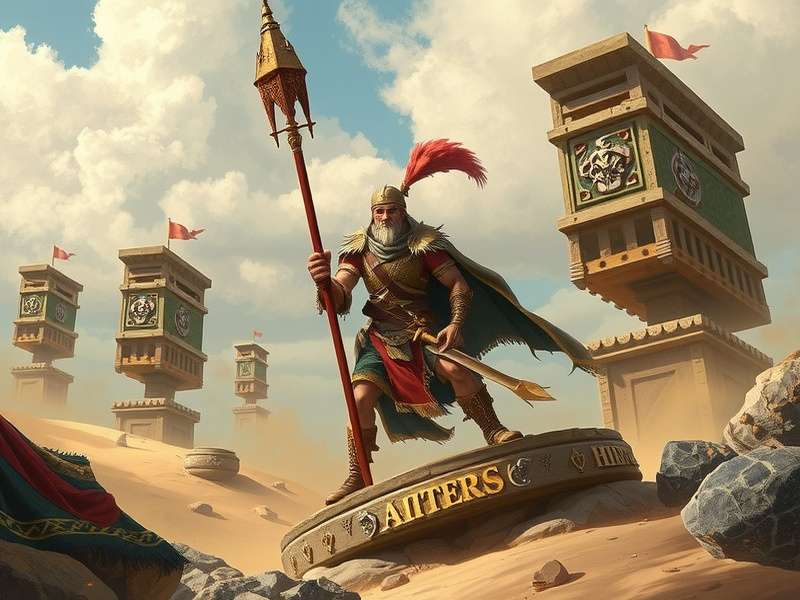
Indo-Gangetic Plain
The most populous region in the game, the Indo-Gangetic Plain is a fertile region bounded by the Ganges and Yamuna rivers. It is home to the Mauryan capital Pataliputra, the trading city Ujjain, and numerous agricultural villages. The region is characterized by flat terrain, lush green fields, and dense forests. Players will encounter Mauryan soldiers, merchants, and farmers here, as well as bandits who prey on trade caravans.
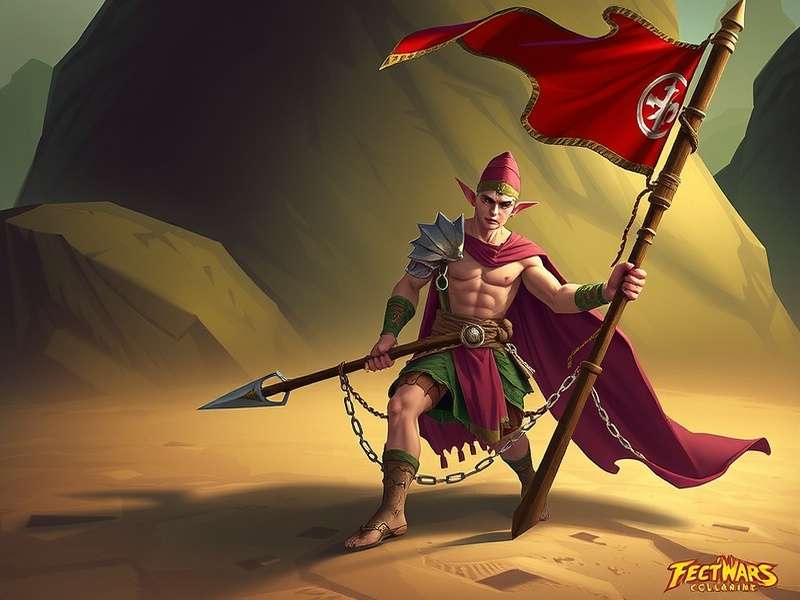
Himalayan Foothills
A mountainous region in the north of the game’s world, the Himalayan Foothills are sparsely populated. The region is home to ascetics, monks, and small tribal communities. It features snow-capped peaks, glacial lakes, and dense pine forests. Players will encounter wild animals like tigers and bears here, as well as bandit camps hidden in the mountains. The region is also home to several ancient monasteries, where players can learn new skills and gain valuable information.
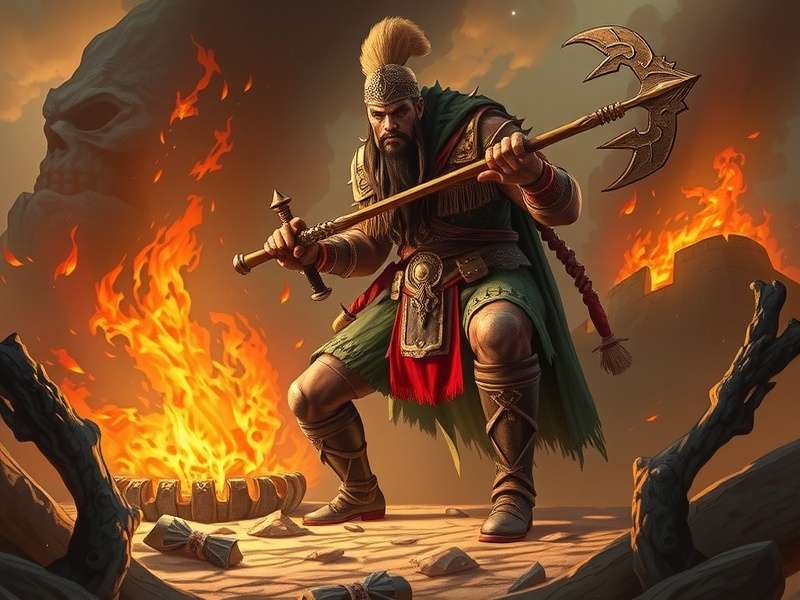
Deccan Plateau
A dry, arid region in central India, the Deccan Plateau is dominated by rocky terrain, scrub forests, and occasional rivers. It is home to nomadic tribes, bandit gangs, and small farming communities. The region is known for its mineral resources, including iron and gold, which have attracted the attention of the Mauryan Empire. Players will encounter hostile tribes and bandits here, as well as traders who brave the dangerous terrain to transport goods.

Eastern Ghats
A mountain range along India’s eastern coast, the Eastern Ghats are covered in dense tropical forests. The region is home to the Vrishni clan, as well as several other tribal communities. It features waterfalls, rivers, and hidden temples. Players will encounter wild animals like elephants and leopards here, as well as Mauryan patrols searching for rebels. The region is also home to several ancient ruins, which hold clues to the game’s lore.
Western Coast
A coastal region along India’s western shore, the Western Coast is a hub of trade and commerce. It features bustling ports, fishing villages, and merchant cities. The region is home to traders from Rome, Persia, and China, as well as pirates who prey on trading ships. Players will encounter merchants, sailors, and pirates here, as well as Mauryan officials who regulate trade. The region is also known for its beautiful beaches and coastal temples.
Cultural and Mythological Influences
Ancient Marauder draws heavily from Indian culture and mythology, incorporating elements from Hinduism, Buddhism, Jainism, and regional folktales. These influences are evident in every aspect of the game, from the characters and locations to the gameplay mechanics and narrative.
Hindu mythology plays a prominent role in the game’s lore. The Vrishni clan worships Krishna, a Hindu deity associated with protection and courage. Many of the game’s side quests are inspired by stories from the Mahabharata and Ramayana, two of India’s most famous epics. For example, one side quest tasks players with retrieving a bow inspired by Arjuna’s Gandiva (a legendary bow from the Mahabharata), while another involves rescuing a princess from a demon, echoing the story of Sita’s abduction in the Ramayana.
Buddhism and Jainism also feature prominently in the game. Taxila is home to several Buddhist monasteries, where players can learn about the teachings of the Buddha. Jain monks appear as non-playable characters (NPCs) who offer quests and provide insights into the game’s themes of non-violence and compassion. The game’s Dharma Meter is inspired by the Buddhist concept of karma, rewarding players for ethical behavior.
Regional folktales and traditions are also incorporated into the game. For example, the game’s portrayal of the Maratha clan draws from Maharashtra’s folk traditions, while the Tamil clan’s armor and weapons are inspired by Tamil Nadu’s ancient culture. The game’s soundtrack includes folk music from different regions, such as Bhangra from Punjab and Carnatic music from Tamil Nadu.
One of the most impressive aspects of the game’s cultural influences is its portrayal of ancient Indian society. The game accurately depicts the caste system (though it does not endorse it), with characters from different castes having different roles and statuses. Brahmins are portrayed as scholars and priests, Kshatriyas as warriors and rulers, Vaishyas as merchants and farmers, and Shudras as laborers and artisans. The game also features characters from outside the caste system, such as tribal people and ascetics.
Core Narrative
The core narrative of Ancient Marauder follows Arjun Varma’s journey from a grieving son to a respected leader. After his father is killed in battle with Mauryan forces, Arjun is forced to take on the role of clan leader. Initially, he is overwhelmed by the responsibility, but with the help of his guru, Swami Vivekananda (a fictional character inspired by real Indian gurus), he begins to develop the skills and wisdom needed to lead his people.
Arjun’s journey takes him across India, where he meets a variety of characters—some who help him, others who betray him. Along the way, he uncovers a conspiracy to overthrow Bindusara, the Mauryan emperor, led by a rogue general named Rana Pratap. Pratap believes that Bindusara is too weak to rule and plans to seize power with the help of a foreign army.
As Arjun uncovers the conspiracy, he must make difficult choices. He must decide whether to ally with the Mauryan Empire to stop Pratap (and risk losing his clan’s independence) or to fight against both Pratap and the empire (and risk being destroyed). He also must come to terms with his own identity—he is not just a clan leader, but a descendant of the Yadavas, a clan with a long history of resistance against oppression.
The narrative culminates in a final showdown between Arjun and Pratap at Pataliputra. Depending on the choices the player has made throughout the game, the ending can vary. In the “good” ending, Arjun defeats Pratap and negotiates a peace treaty with the Mauryan Empire, allowing his clan and other marginalized groups to retain their independence. In the “bad” ending, Arjun is defeated by Pratap, who seizes power and establishes a tyrannical regime. In the “neutral” ending, Arjun defeats Pratap but refuses to negotiate with the empire, choosing to continue fighting for his clan’s freedom.
What makes the narrative stand out is its emotional depth and character development. Arjun is a relatable protagonist—he is flawed, he makes mistakes, but he always tries to do the right thing. The supporting characters are equally well-developed, with their own motivations and backstories. The game’s themes of identity, loyalty, and resistance resonate deeply with players, especially in a world where cultural heritage is often threatened.
Characters of Ancient Marauder
Ancient Marauder features a diverse cast of characters, each with their own unique personalities, motivations, and backstories. From the protagonist Arjun Varma to the game’s villains and supporting characters, every character is designed to reflect the diversity of ancient Indian society. The development team worked hard to create characters that are both relatable and authentic, drawing inspiration from historical figures, regional legends, and everyday people.
Protagonist: Arjun Varma
Arjun Varma is the protagonist of Ancient Marauder, a young warrior from the Vrishni clan. Born in the forests of the Eastern Ghats, Arjun grew up learning the ways of the warrior from his father, Raja Vikram Varma. He is brave, loyal, and compassionate, but also impulsive and hot-headed—traits that often get him into trouble.
At the start of the game, Arjun is 22 years old, still coming to terms with his role as a warrior. He is deeply devoted to his father and his clan, and when his father is killed in battle with Mauryan forces, Arjun is consumed by grief and a desire for revenge. However, as the game progresses, he learns to channel his anger into something positive—protecting his people and fighting for justice.
Arjun’s appearance is inspired by Rajput warriors, with a muscular build, long black hair tied in a turban, and a beard. He wears a leather armor set adorned with clan symbols, and carries a sword and shield—weapons passed down to him by his father. As the game progresses, Arjun’s appearance changes, reflecting his growth as a leader. He gains scars from battles, and his armor becomes more elaborate as he earns the respect of other clans.
Arjun’s personality is defined by his strong sense of dharma (duty). He believes that it is his responsibility to protect the weak and defend his clan’s way of life. However, he is not a blind follower of tradition—he is willing to question the rules if he believes they are unjust. This often puts him at odds with other clan leaders, who are more conservative.
One of Arjun’s greatest strengths is his ability to inspire others. Despite his youth, he has a natural charisma that draws people to him. He is able to unite the fragmented clans of the Eastern Ghats, turning them into a powerful force against the Mauryan Empire. His greatest weakness is his impulsiveness—he often acts without thinking, which can lead to dangerous situations.
Arjun’s character arc is one of growth and self-discovery. He starts the game as a grieving son seeking revenge, but ends up as a wise leader who understands the true meaning of courage and sacrifice. His journey is a reflection of the game’s themes of identity and duty, and resonates deeply with players.
Antagonists
Ancient Marauder features several antagonists, each with their own unique motivations and backstories. The main antagonist is Rana Pratap, a rogue Mauryan general who seeks to overthrow the emperor and establish his own regime. Other antagonists include Mauryan officials, rival clan leaders, and foreign mercenaries.

Rana Pratap
Rana Pratap is the main antagonist of Ancient Marauder, a powerful Mauryan general with a reputation for cruelty and ambition. Born into a noble family, Pratap rose through the ranks of the Mauryan army thanks to his military genius and ruthless tactics. He believes that Bindusara, the Mauryan emperor, is too weak to rule, and plans to seize power with the help of a foreign army.
Pratap’s appearance is imposing—he is tall, with a muscular build, short cropped hair, and a scar across his face. He wears a golden armor set adorned with Mauryan symbols, and carries a massive sword and a shield. His personality is defined by his arrogance and ambition—he believes that he is destined to rule India, and will stop at nothing to achieve his goal.
What makes Pratap a compelling antagonist is his complexity. He is not a one-dimensional villain—he genuinely believes that his actions are for the good of India. He sees the Mauryan Empire as a corrupt institution, and believes that only he can restore order and prosperity. However, his methods are brutal—he is willing to kill innocent people and betray his allies to achieve his goal.
Pratap’s backstory explains his motivations. As a young soldier, he witnessed the Mauryan Empire’s cruelty firsthand when his village was destroyed by imperial forces for refusing to pay taxes. This event left a deep scar on Pratap, and he vowed to one day overthrow the empire and create a new order where the strong rule and the weak are crushed. His hatred for the empire is so great that he is willing to ally with foreign powers—even if it means betraying his own people.
Ashoka
Ashoka (later known as Ashoka the Great) is a secondary antagonist in Ancient Marauder, a young Mauryan prince who is initially loyal to his father, Bindusara. Ashoka is a skilled warrior and a brilliant strategist, but he is also arrogant and ruthless. He sees Arjun and his clan as a threat to the Mauryan Empire, and is determined to destroy them.
Ashoka’s appearance is similar to that of other Mauryan nobles—he is tall, with a lean build, short black hair, and a clean-shaven face. He wears a silk robe adorned with gold thread, and carries a sword and a bow. His personality is defined by his pride and his devotion to the empire. He believes that the Mauryan Empire is the greatest civilization in the world, and that all other clans and kingdoms should submit to its rule.
What makes Ashoka an interesting character is his character arc. As the game progresses, he begins to question the empire’s methods, especially after witnessing the suffering caused by Pratap’s rebellion. By the end of the game, he has a change of heart, and begins to advocate for peace and tolerance. This arc foreshadows his later transformation into Ashoka the Great, one of India’s most revered emperors.
Supporting Cast
Ancient Marauder’s supporting cast is just as memorable as its protagonists and antagonists. These characters play key roles in Arjun’s journey, providing him with guidance, support, and occasional betrayal.
Swami Vivekananda
Arjun’s guru and mentor, Swami Vivekananda is a wise ascetic who lives in a monastery in the Himalayan Foothills. He is a master of yoga and meditation, and teaches Arjun the importance of self-control and wisdom. Swami Vivekananda is based on real Indian gurus, and his teachings are inspired by the Upanishads and other ancient Indian texts. He is a calming presence in Arjun’s life, and often helps him navigate difficult situations.
Meera Devi
A skilled archer and member of the Tamil clan, Meera Devi is Arjun’s love interest. She is independent, strong-willed, and fiercely loyal to her clan. Meera meets Arjun when he travels to the Eastern Ghats to seek the Tamil clan’s alliance. Initially, she is skeptical of Arjun, but she soon comes to respect his courage and determination. Meera is a valuable ally in battle, and her archery skills often save Arjun’s life.
Chanakya
A brilliant strategist and advisor to the Mauryan emperor, Chanakya is a complex character who often acts as a mentor to Arjun. He is a Brahmin scholar with a sharp mind and a dry sense of humor. Chanakya recognizes Arjun’s potential, and often provides him with valuable advice and information. However, he is also loyal to the Mauryan Empire, and his actions are often motivated by a desire to protect the empire from internal and external threats.
Raja Hari Singh
The leader of the Maratha clan, Raja Hari Singh is a tough, no-nonsense warrior who initially refuses to ally with Arjun. He is skeptical of Arjun’s youth and inexperience, but eventually comes to respect him after witnessing his courage in battle. Raja Hari Singh is a master of guerrilla warfare, and teaches Arjun the importance of strategy and tactics.
Lakshmi Bai
The leader of a group of female warriors known as the “Jhansi Regiment,” Lakshmi Bai is a fierce and determined woman who fights to protect her village from Ma